

A Movement of Martyrs.
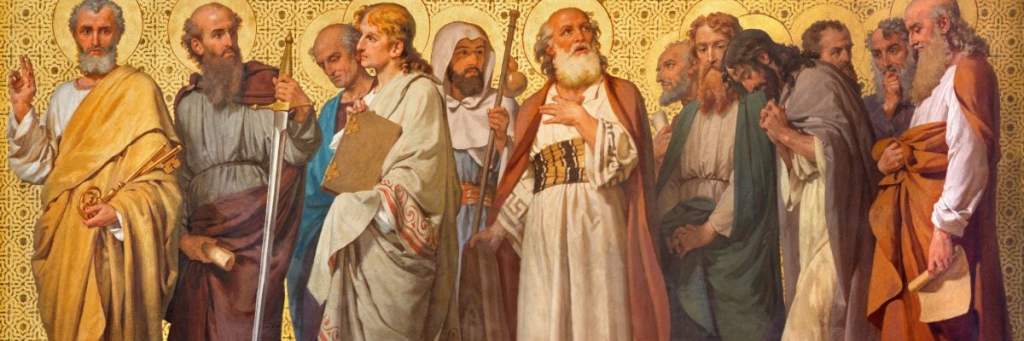
Except for the apostle John — who was exiled to an island in the Mediterranean — all of the leaders chosen by Jesus were killed by those they sought to convert. There were no megachurch pastors or gold embroidered cardinals sitting comfortably and peacefully within their societies. Instead there was a generation of underground, bloodied and beaten Bravehearts building the basement level of the world wide church that was to come.
We know from the seventh chapter in Acts that Stephen the apostle was stoned to death outside of Jerusalem after confronting the Pharisees and Rabbis about their blood guilt in Christ’s death.

“The Stoning of Saint Stephen” (1625) Rembrandt
Church history holds that both Peter and Paul were killed during Nero’s reign, along with many other believers. Peter is said to have refused to be crucified right-side up because he felt unworthy of Christ’s fate. He insisted on an upside down execution and it was granted him.

“The Martyrdom of St. Peter” by Caravaggio
Nero is said to have burnt Christians in bundles to light his garden parties.
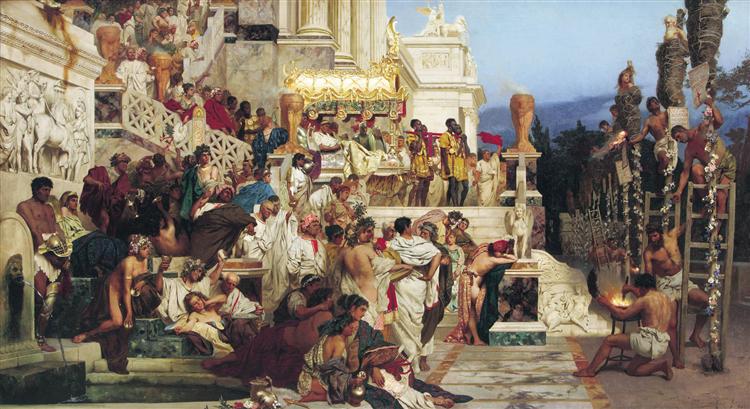
“Nero’s Torches” (1876) Henryk Siemiradzki
After a sojourn in modern day Russia, Andrew was supposedly crucified in Greece.
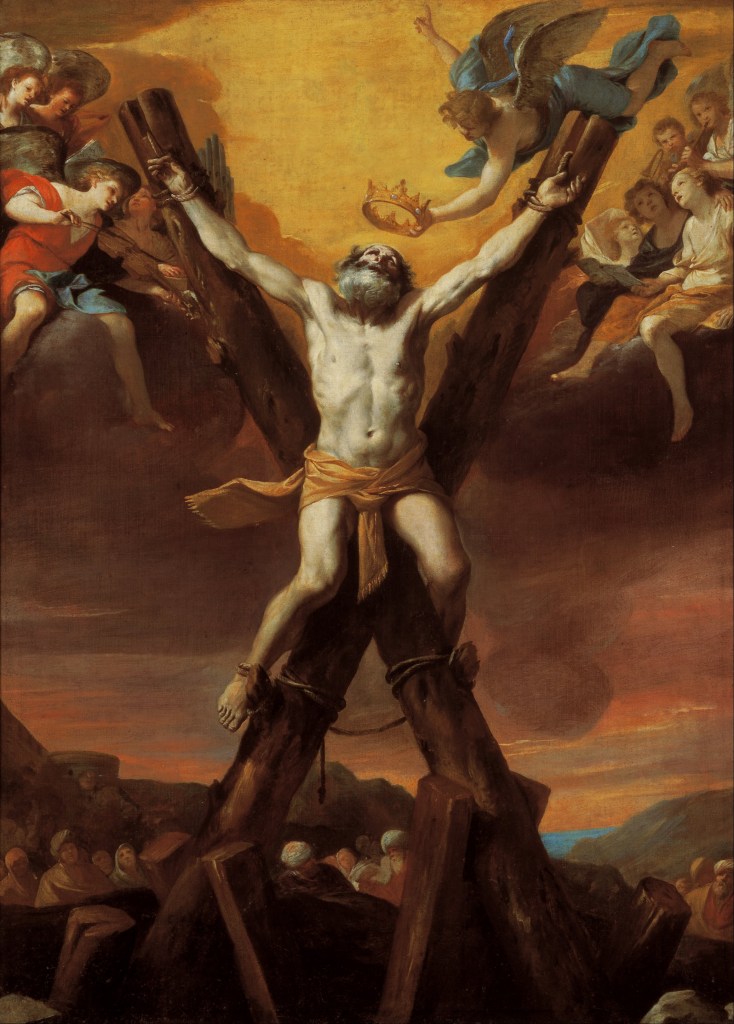
“The Crucifixion of Saint Andrew” (1651) by Mattia Preti
Thomas became the apostle to India where he was speared to death.
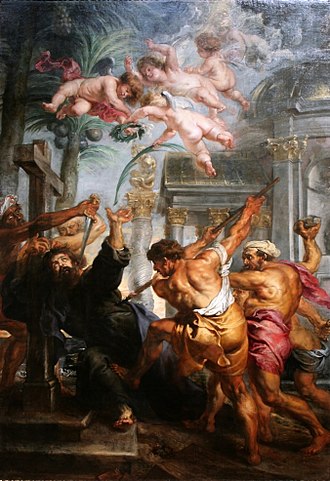
“The Martyrdom of St. Thomas, Apostle of India” by Peter Paul Ruber (1637-1639)
Philip lead missions across northern Africa and was killed after he converted the wife of a Roman proconsul.

Matthew ministered in Ethiopa where he is rumoured to have been martyred.

After refusing to sacrifice to the Persian gods, Simon the Zealot received the death penalty.

John’s brother James was stoned and clubbed to death in Syria.

Museum of Fine Arts Valencia, Spain
John alone is believed to have gone to his natural death in what is modern day Turkey. His most famous students, the church fathers Ignatius and Polycarp both tasted martyrdom in the 2nd century. And so the lineage of blood which watered the early church continued beyond the lives of the apostles.

The first several generations of Christians had no uniform for their leaders. Regular street wear marked Jesus’ ministry as well as those of all church leaders until the 300s A.D.

There were no denominations left to us by Christ or the apostles. The church around the world was unified by the apostles creed and the New Testament canon which was finished at the end of the 1st century by John on Patmos.
John’s old age spent in exile marked the end of the first 70 years of Christ’s movement. The Way as it was first known. In our next installment we will look at the formation of the New Testament canon.




 What Christians Believe