
Category: theology
-
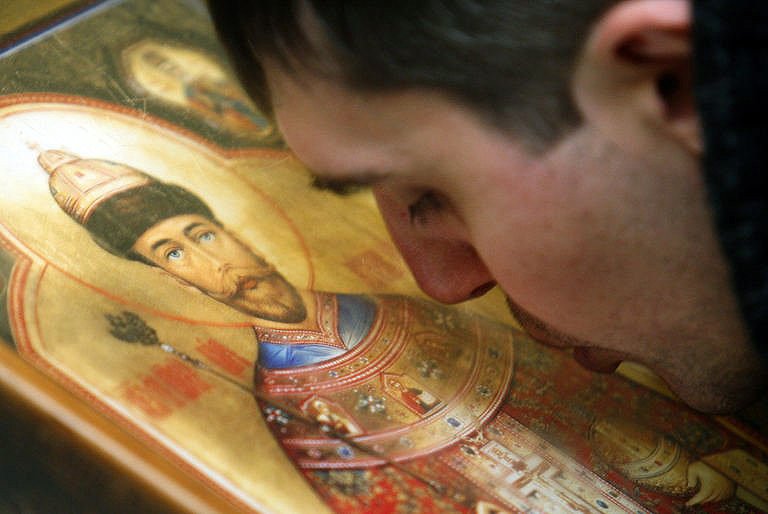
Church History in Chunks – Part 11: Veneration of Icons
On the Veneration of Icons In 787 AD, the Second Council of Nicaea dogmatically defined the act of the veneration of icons. This was the main reason for the seventh, and last universal council before the Great Schism of 1054 AD. “What in the world does it mean to ‘venerate icons?” Icons are images of…
-
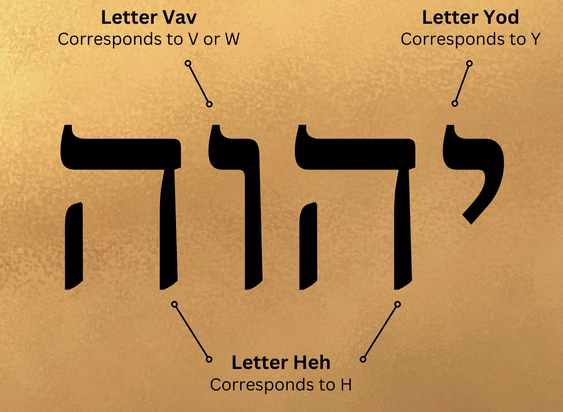
God’s Name
How Do We Pronounce God’s Personal Name Ancient Hebrew — pre 500 BC — had no written vowels but the spoken language did. So living traditions conveyed the original pronounciation of the Tetragrammaton (i.e.: YHWH). Jewish Greek sources from late second century BC Dead Sea Scrolls preserve forms like ΙΑΩ (Iaō), which strongly support an…
-
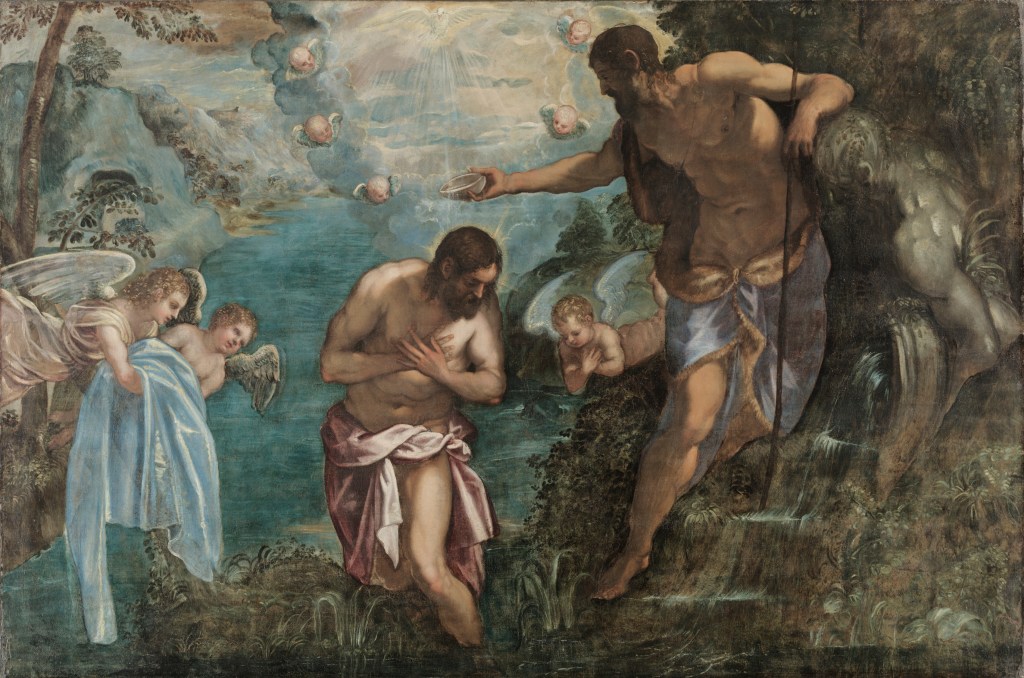
Church History in Chunks – Part 10: Baptism
Baptism in the Early Church Matthew’s gospel introduces us to John the Baptist. And to baptism. How was it practiced by the apostles and their students in the earliest years of Christendom? Are there any differences among Christian denominations when it comes to this Sacrament? What is the reason Christ asked us to perform it?…
-

Church History in Chunks – Part 9: Praying to Saints
Intercession of the Departed Saints and Martyrs Catholic and Orthodox Christians ask the departed Christians — who have died here on earth but are very much alive on the Other Side — to intercede for them. After all, a saint that is more directly in the presence of God and finds themselves purified of all…
-

Church History in Chunks – Part 8: Communion
The Lord’s Supper Christendom is split into three distinct branches. Orthodox, Roman Catholicism and the Reformed networks. Two out of the three of these — Orthodox and Catholic Churches — view the Eucharist with a seriousness that rivals the specifics and weightiness of the Levitical Priesthood’s duties in the Mosaic (Old) Covenant. Reformed circles have…
-
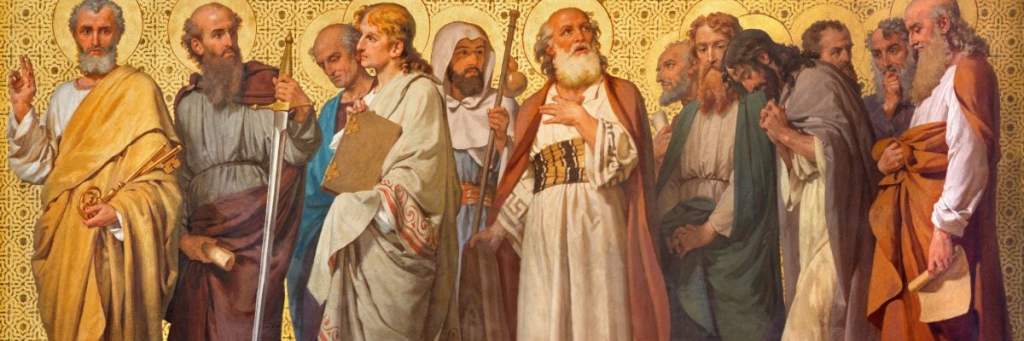
Church History in Chunks – Part 7: Apostolic Succession
Apostolic Succession Apostolic succession is defined as an unbroken chain of ordinations back to the Apostles which is God’s method for preserving orthodoxy in the worldwide Church. There is a sacramental process (laying on of hands, blessed by the Holy Spirit) which transfers a gifting and authority from God to the apostles and each successive…
-
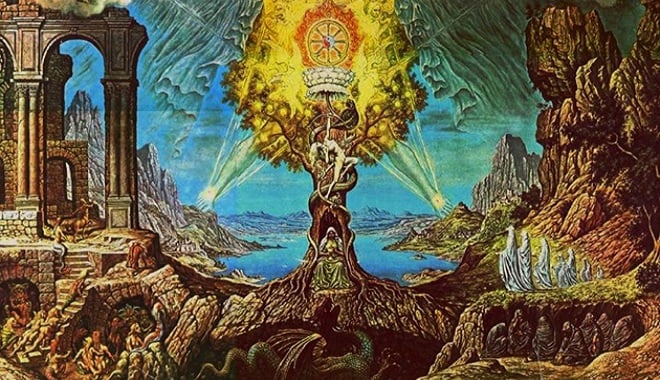
Church History in Chunks – Part 5: Gnosticism
Gnosticism: the First Heresy. John the apostle’s first letter (First John and not the Gospel of John) was aimed straight at the Gnostics. At some point in the first century A.D., Jewish and Christian sects amalgamated the Old Testament system, Christian theology, diverse local myths, Jewish cabbalism, paganism and finally Plato’s dualism, and voila! the…
-
Church History in Chunks – Part 4: Denominations
The First Attempt at Denominations. As early as the 50s A.D. there was a division growing among the nascent Christian church. As the apostle Paul notes in his letter to the Corinthians, some believers were creating denominations around Paul’s teachings. Others followed Peter and some preferred a preacher named Apollos. Paul quickly stepped in to…
-
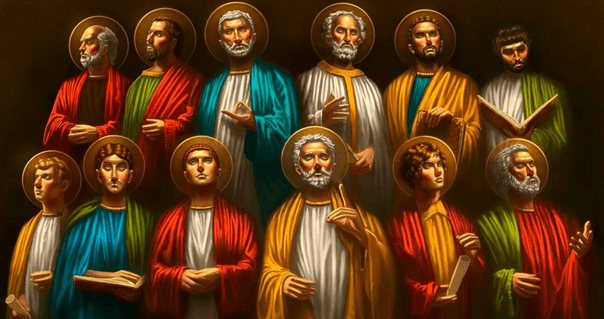
Church History in Chunks – Part 3: Apostles
The Role of the Apostles. Roman Catholics claim the Papacy is an institution begun by Christ as recorded in Matthew 16:13-19. In this passage, Jesus is asking His disciples who they think He is. As Jesus gained notoriety, rumours swirled because of His miracles, exorcisms and the authority of His sermons. Some thought He was…
 What Christians Believe