
Category: Uncategorized
-
Church History in Chunks – Part 11: Veneration of Icons
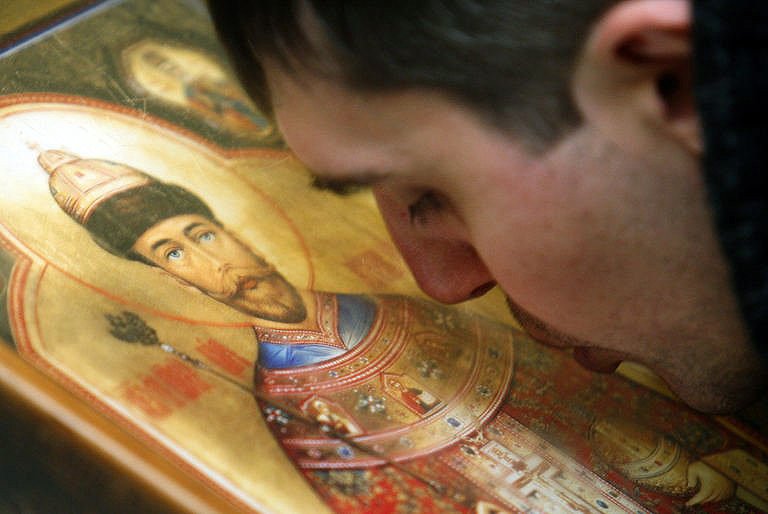
On the Veneration of Icons In 787 AD, the Second Council of Nicaea dogmatically defined the act of the veneration of icons. This was the main reason for the seventh, and last universal council before the Great Schism of 1054 AD. “What in the world does it mean to ‘venerate icons?” Icons are images of…
-
God’s Name
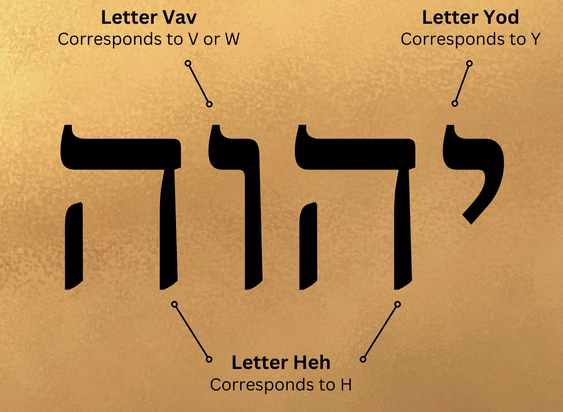
How Do We Pronounce God’s Personal Name Ancient Hebrew — pre 500 BC — had no written vowels but the spoken language did. So living traditions conveyed the original pronounciation of the Tetragrammaton (i.e.: YHWH). Jewish Greek sources from late second century BC Dead Sea Scrolls preserve forms like ΙΑΩ (Iaō), which strongly support an…
-
Church History in Chunks – Part 10: Baptism
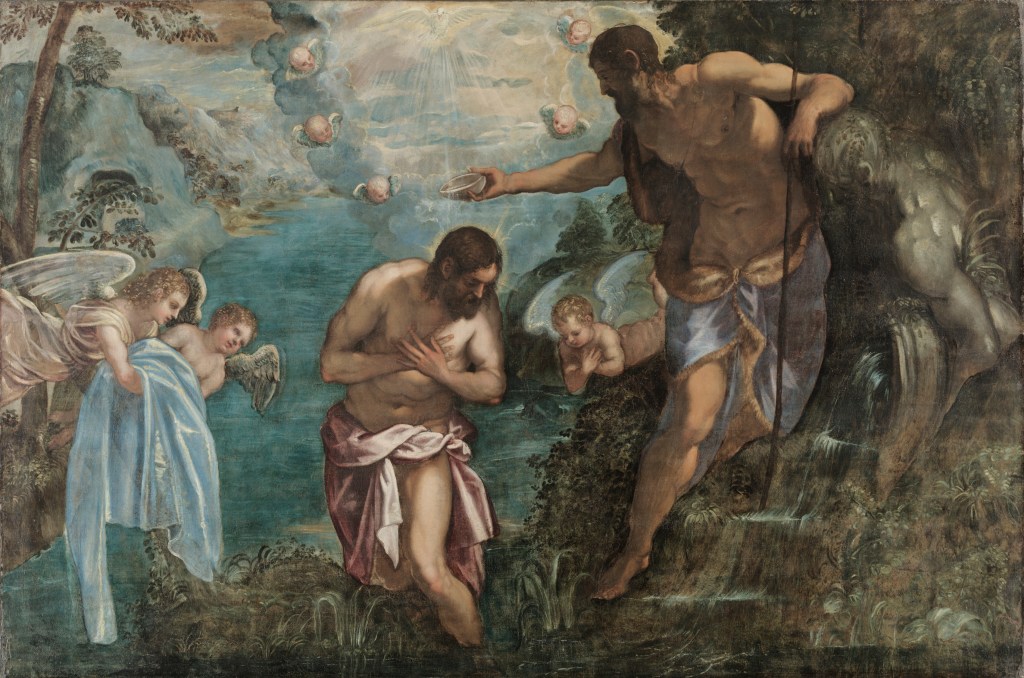
Baptism in the Early Church Matthew’s gospel introduces us to John the Baptist. And to baptism. How was it practiced by the apostles and their students in the earliest years of Christendom? Are there any differences among Christian denominations when it comes to this Sacrament? What is the reason Christ asked us to perform it?…
-

Church History in Chunks – Part 9: Praying to Saints
Intercession of the Departed Saints and Martyrs Catholic and Orthodox Christians ask the departed Christians — who have died here on earth but are very much alive on the Other Side — to intercede for them. After all, a saint that is more directly in the presence of God and finds themselves purified of all…
-

Church History in Chunks – Part 8: Communion
The Lord’s Supper Christendom is split into three distinct branches. Orthodox, Roman Catholicism and the Reformed networks. Two out of the three of these — Orthodox and Catholic Churches — view the Eucharist with a seriousness that rivals the specifics and weightiness of the Levitical Priesthood’s duties in the Mosaic (Old) Covenant. Reformed circles have…
-
Church History in Chunks – Part 7: Apostolic Succession
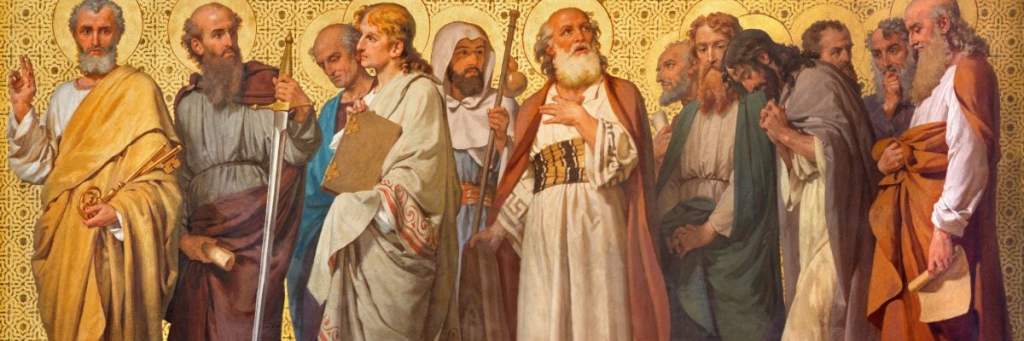
Apostolic Succession Apostolic succession is defined as an unbroken chain of ordinations back to the Apostles which is God’s method for preserving orthodoxy in the worldwide Church. There is a sacramental process (laying on of hands, blessed by the Holy Spirit) which transfers a gifting and authority from God to the apostles and each successive…
-

Church History in Chunks – Part 6: Martyrdom
A Movement of Martyrs. Except for the apostle John — who was exiled to an island in the Mediterranean — all of the leaders chosen by Jesus were killed by those they sought to convert. There were no megachurch pastors or gold embroidered cardinals sitting comfortably and peacefully within their societies. Instead there was a…
-
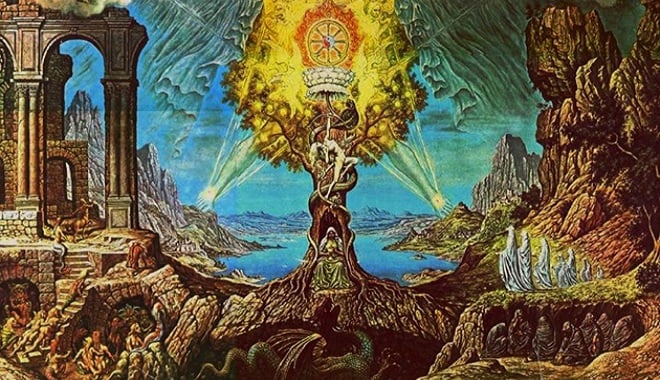
Church History in Chunks – Part 5: Gnosticism
Gnosticism: the First Heresy. John the apostle’s first letter (First John and not the Gospel of John) was aimed straight at the Gnostics. At some point in the first century A.D., Jewish and Christian sects amalgamated the Old Testament system, Christian theology, diverse local myths, Jewish cabbalism, paganism and finally Plato’s dualism, and voila! the…
-
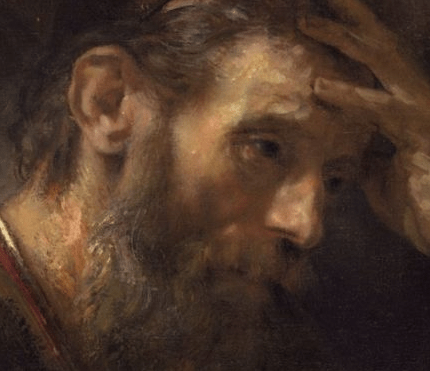
Church History in Chunks – Part 4: Denominations
The First Attempt at Denominations. As early as the 50s A.D. there was a division growing among the nascent Christian church. As the apostle Paul notes in his letter to the Corinthians, some believers were creating denominations around Paul’s teachings. Others followed Peter and some preferred a preacher named Apollos. Paul quickly stepped in to…
-

DNA as language
Looking at the language in our cells. Binary code language is any “alphabet” made up of only 2 letters. Such systems date back to at least 1679 when a french mathematician by the name of Gottfried Leibniz discovered that using the numbers 1 and 0 could create a mathematical language able to store any amount…
-

Could Jesus Have Survived the Cross?
A medical view of crucifixion Ahmadiya Muslims teach that Jesus fled to India after swooning on the cross and crawling out of his grave. In fact, the town of Srinagar, Kashmir supposedly houses his final burial site. The Qur’an teaches that Jesus was replaced by a substitute and never hung upon the cross. Skeptical scholars…
-
Intellectual Heritage of Christianity
Re-Claiming the Tradition of Classical Christian Thought. The scientific revolution is credited to a 13th century Italian friar named Thomas of Aquinas. William of Ockham, another friar, is the englishman after whom the logic tool “Ockham’s Razor” was named. Chemistry’s founder, Robert Boyle was a man of faith. Perhaps the world’s greatest mathematician, Blaise Pascal,…
 What Christians Believe