The Liturgical Life of the Early Church
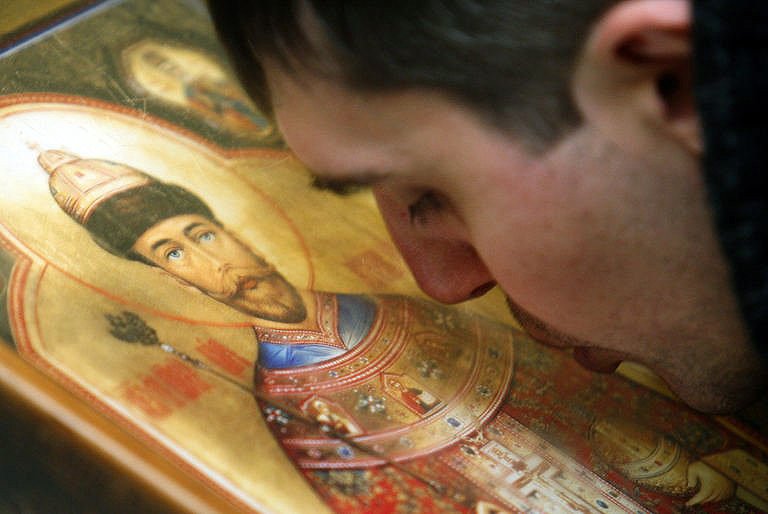
The Greek word for ‘liturgy’ is λειτουργία (leitourgía) and means “public service.” In ancient Greece it was used to mean the expectations of wealthy citizens to fund public works such as local gymnasiums and theatre festivals. For the translation of the Septuagint (Greek Old Testament) it was used to mean the activities of the Levitical priesthood. During the mid 1500s AD the English churchmen began using ‘liturgy’ to mean the activities of church leaders and the congregation during Sunday worship gatherings.
Simply put, liturgical life is the rituals performed each Sunday when Christians gather to worship as a community.
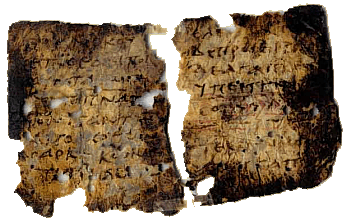
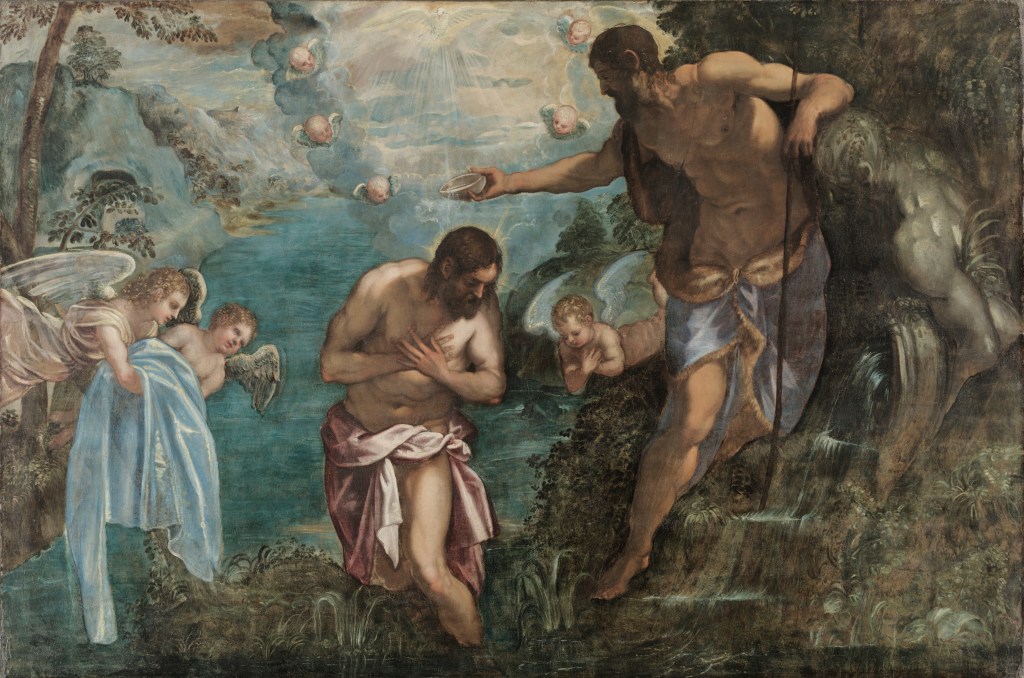
Chapter 7 of the Didache instructs how to perform baptisms. First it commands that we baptize in the name of the Father, and the Son, and the Holy Spirit. It prefers we use “living water,” meaning rivers, lakes or seas. Anything that actively runs and is not stagnant. Cold water is preferred over warm. In case none of these are available (death beds, prisons, etc) pouring water onto the convert’s head three times (one for each member of the Trinity) was acceptable. Fasting one or two days prior to baptism is also instructed.
Chapter 8 speaks on fasting and prayer. Fasting is placed on Wednesdays and Fridays to differentiate from the “hypocrites” (most likely Pharisees) who fast on Mondays and Thursdays. Praying is to be done three times daily and to follow the “Our Father who art in heaven” format of Luke 11:2-4.
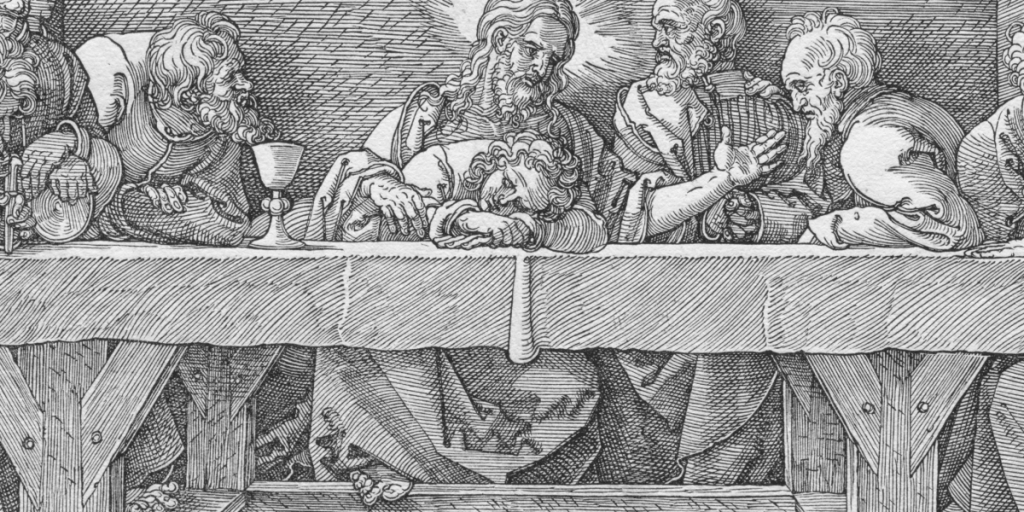
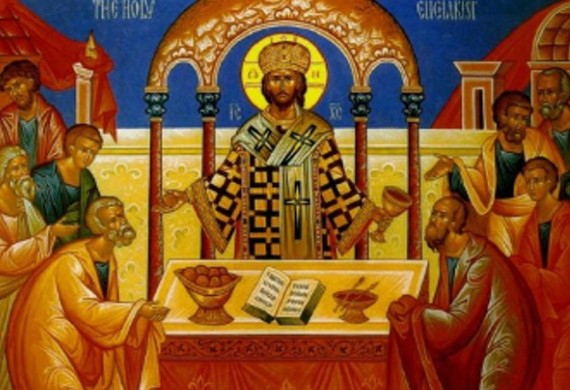
Chapter 9 instructs on the Eucharist (The Lord’s Supper). It requires a Christian to be baptized before they participate. It offers a formulaic prayer for taking ‘the cup:’
“We thank thee, our Father, for the holy vine of David Thy servant, which You madest known to us through Jesus Thy Servant; to Thee be the glory for ever”
As well as the ‘broken bread:’
“We thank Thee, our Father, for the life and knowledge which You madest known to us through Jesus Thy Servant; to Thee be the glory for ever. Even as this broken bread was scattered over the hills, and was gathered together and became one, so let Thy Church be gathered together from the ends of the earth into Thy kingdom; for Thine is the glory and the power through Jesus Christ for ever.”
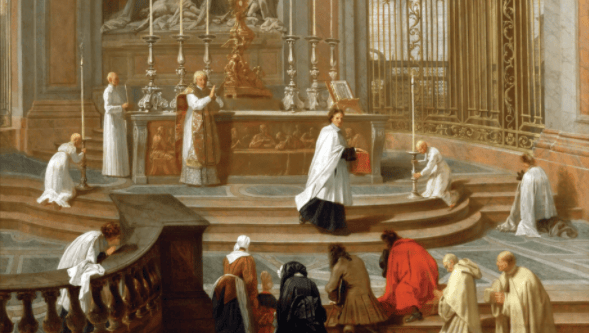
Chapter 10 tackles praying after communion (Eucharist). It simply lists this prayer:
“We thank Thee, holy Father, for Thy holy name which You didst cause to tabernacle in our hearts, and for the knowledge and faith and immortality, which You modest known to us through Jesus Thy Servant; to Thee be the glory for ever.”
The object of prayer is the Father in the name of Christ (as does chapter 8 and Luke 11) and is a thanks (the word eucharist means ‘thanks giving’) to God for salvation through Christ.
“Thou, Master almighty, didst create all things for Thy name’s sake; You gavest food and drink to men for enjoyment, that they might give thanks to Thee; but to us You didst freely give spiritual food and drink and life eternal through Thy Servant.”
This portion of the thanksgiving prayer elevates God to the Creator of all things and divides earthly and spiritual food. The Eucharist meal was seen, in the earliest church, as both a real earthly meal — symbolic of manna from heaven — as well as a sacramental (i.e.: supernatural) ritual that delivered spiritual nourishment.
“Before all things we thank Thee that You are mighty; to Thee be the glory for ever. Remember, Lord, Thy Church, to deliver it from all evil and to make it perfect in Thy love, and gather it from the four winds, sanctified for Thy kingdom which Thou have prepared for it; for Thine is the power and the glory for ever.”
More thanks and an appeal for Divine guidance and protection for the worldwide community of Christians.
Then the prayer closes with:
“Let grace come, and let this world pass away. Hosanna to the God (Son) of David! If any one is holy, let him come; if any one is not so, let him repent. Maranatha. Amen.”
The post-meal thanksgiving prayer in Didache 10 does not reappear as a fixed text in later mainstream liturgies, but it has clear early parallels and thematic echoes. Phrases like “Yours be the glory forever and ever” still show up in catholic prayers to this day. It is a guide but not a hard, unbendable prescription.
Chapters 11 to 15 of the Didache deals with the structure of church leadership. We tackle this in part four.